Residential Gas Piping in Kansas City, MO
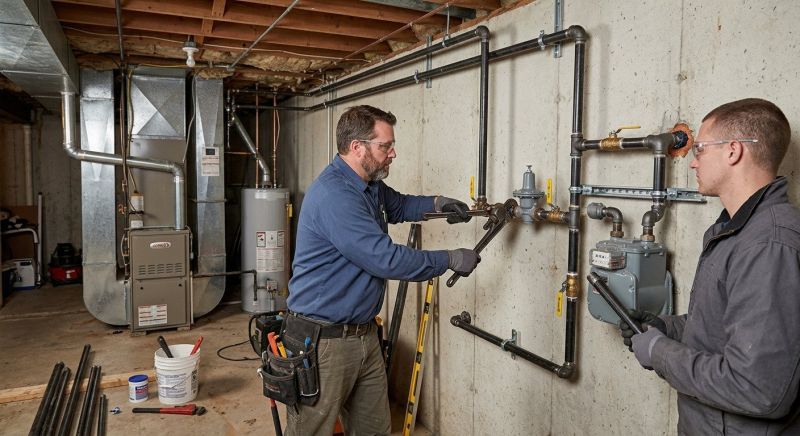
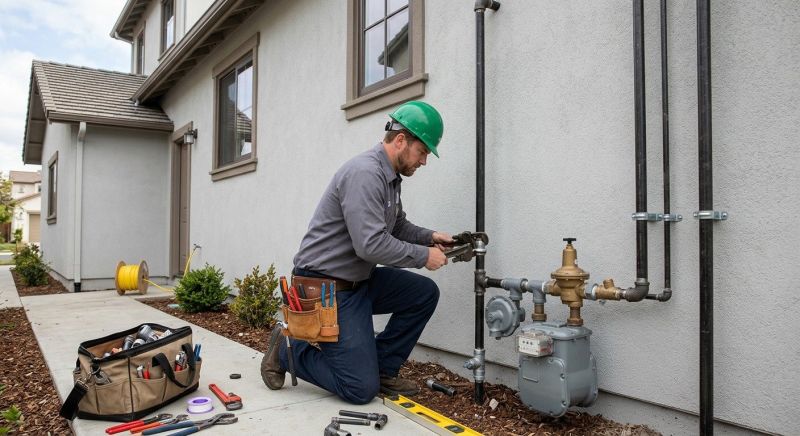
Residential gas piping services involve the installation, repair, and replacement of gas lines within a home to ensure safe and reliable delivery of natural gas or propane for appliances such as stoves, water heaters, fireplaces, and dryers. These projects typically include extending existing gas lines, upgrading outdated piping, or installing new systems to accommodate home renovations or additions. Homeowners often want to understand the scope of work involved, safety considerations, and the importance of proper materials and installation techniques to prevent leaks or other issues.
Before requesting residential gas piping services, property owners usually seek information about the process, including how long the work may take and any necessary permits or inspections. It’s also common to want details about the types of piping used, such as corrosion-resistant materials, and how the work will impact existing appliances or systems. Ensuring that the installation adheres to local codes and safety standards is a priority, and understanding these aspects can help homeowners make informed decisions about their gas piping needs.
Many property owners in Kansas City, MO look into Residential Gas Piping for repairs, replacements, upgrades, and appearance-related improvements.
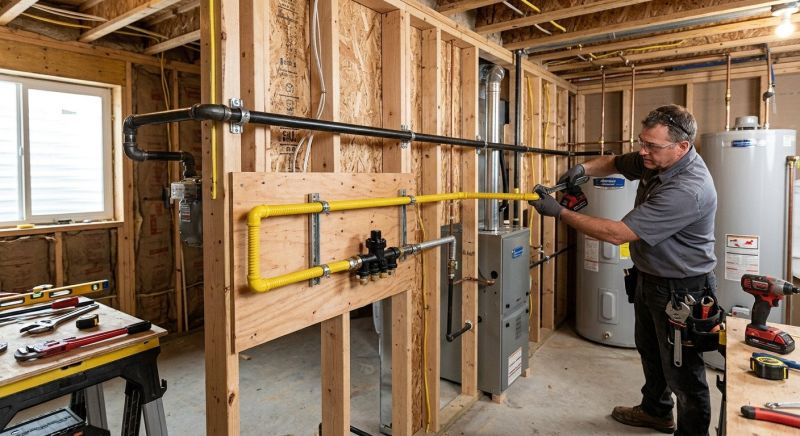
Residential Gas Piping Installations
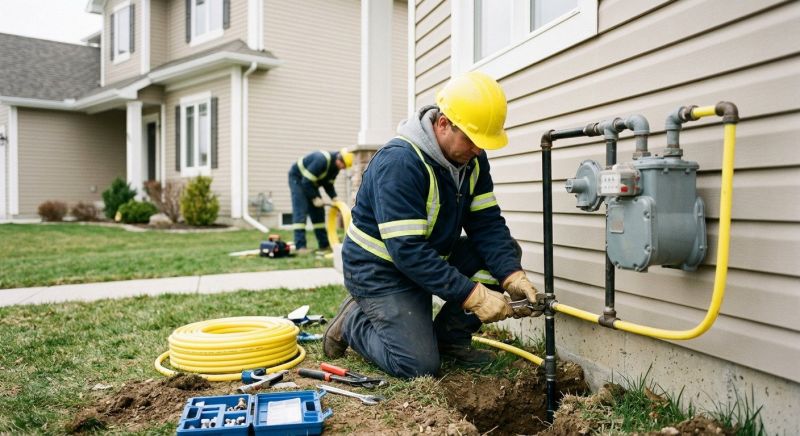
Proper installation ensures safe and reliable gas supply for appliances and heating systems.
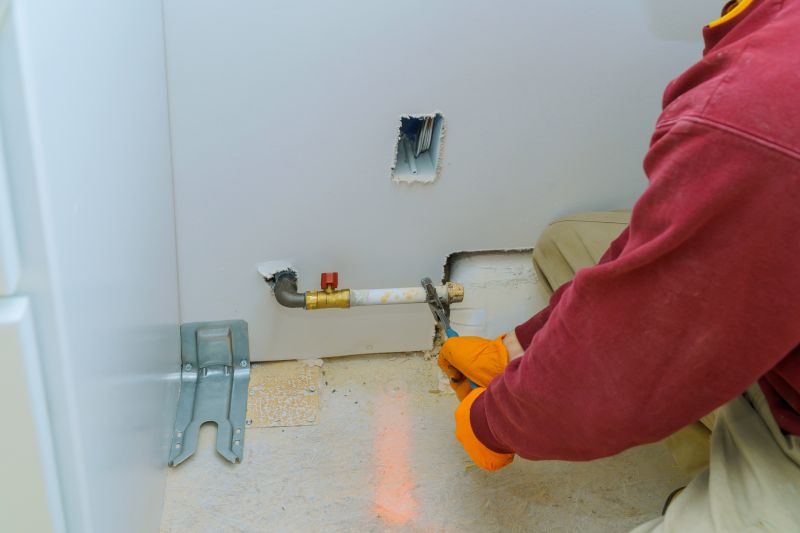
Gas Line Repairs And Upgrades
Timely repairs and upgrades help maintain safety and meet the evolving needs of kansas city homes.
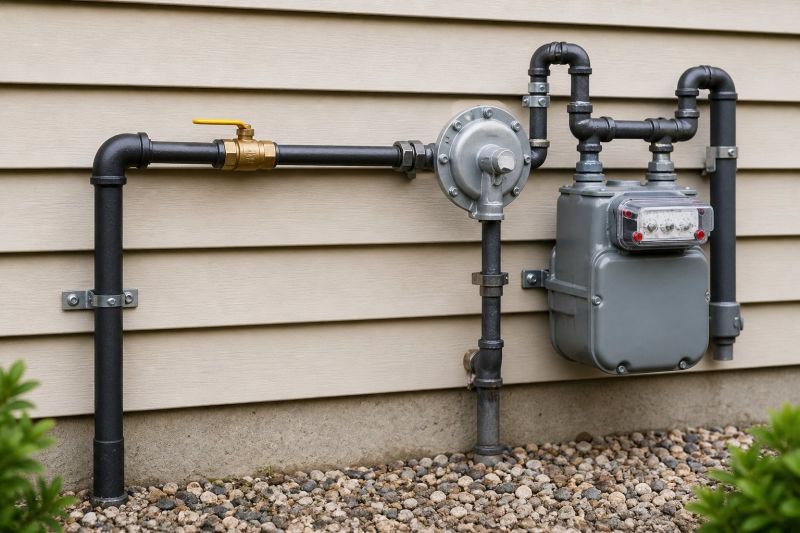
Code-Compliant Gas Piping Solutions
Services follow local codes and standards to ensure the safety and efficiency of your gas piping system.
Residential Gas Piping in Kansas City, MO

Residential gas piping services involve the installation, repair, and replacement of gas lines within a home to ensure safe and reliable delivery of natural gas or propane for appliances such as stoves, water heaters, fireplaces, and dryers. These projects typically include extending existing gas lines, upgrading outdated piping, or installing new systems to accommodate home renovations or additions. Homeowners often want to understand the scope of work involved, safety considerations, and the importance of proper materials and installation techniques to prevent leaks or other issues.
Before requesting residential gas piping services, property owners usually seek information about the process, including how long the work may take and any necessary permits or inspections. It’s also common to want details about the types of piping used, such as corrosion-resistant materials, and how the work will impact existing appliances or systems. Ensuring that the installation adheres to local codes and safety standards is a priority, and understanding these aspects can help homeowners make informed decisions about their gas piping needs.
Many property owners in Kansas City, MO look into Residential Gas Piping for repairs, replacements, upgrades, and appearance-related improvements.
Common Residential Gas Piping Jobs
Residential Gas Piping Installation - new gas lines are installed to supply appliances like stoves and water heaters.
Gas Line Repairs - existing gas lines are inspected and repaired to ensure safe operation.
Gas Line Replacement - outdated or damaged piping is replaced to meet current safety standards.
Gas Leak Detection - pinpointing and addressing leaks to prevent hazards and ensure safety.
Gas Piping Upgrades - expanding or upgrading existing systems to support additional appliances or increased demand.
Code-Compliant Gas Piping - installation and repairs adhere to local building codes and safety regulations.
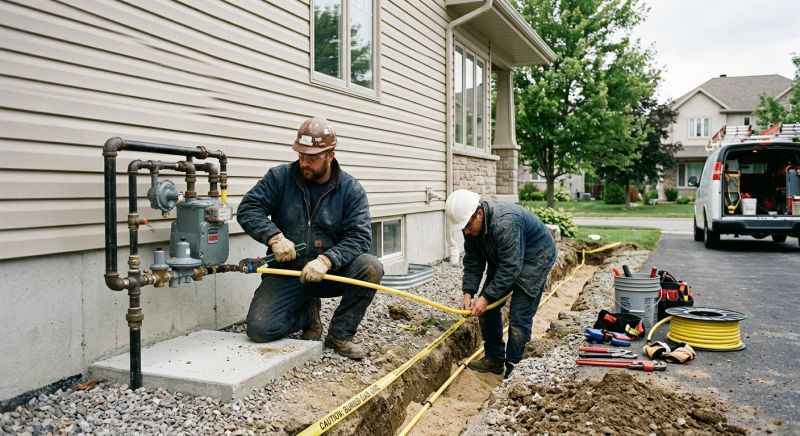
Residential Gas Piping Questions
What is residential gas piping used for? Residential gas piping supplies natural gas or propane to appliances like stoves, water heaters, and furnaces for efficient operation.
When should gas piping be inspected or replaced? Gas piping should be inspected if there are signs of leaks, corrosion, or damage, and replaced if it no longer meets safety standards or shows wear.
Are there different types of gas piping materials? Yes, common materials include black iron, steel, and flexible stainless steel or corrugated stainless tubing, each suited for specific applications.
What projects typically require residential gas piping services? Projects include installing new appliances, upgrading existing piping, or repairing leaks and damage in the gas line system.
Request Residential Gas Piping in Kansas City, MO
Use the quote form on this page to share the basics of your project and request more information for the type of work you need.