Residential Gas Piping in Denver, CO
Residential gas piping services involve installing, repairing, or replacing the piping systems that deliver natural gas or propane to a home’s appliances and fixtures. These projects typically include connecting appliances such as furnaces, water heaters, stoves, and fireplaces, ensuring they receive a safe and reliable gas supply. Property owners often seek these services when installing new appliances, upgrading existing systems, or addressing issues like leaks, corrosion, or outdated piping to maintain safety and efficiency within the home.
Before requesting residential gas piping work, homeowners usually want to understand the scope of the project, including the materials used and the safety measures involved. It’s important to consider the location of existing gas lines, potential permits required, and any necessary inspections to comply with local codes. Property owners should also inquire about the process for shutting off the gas supply during installation or repairs and ensure that the work will be performed with attention to safety and quality standards.
Many property owners in Denver, CO look into Residential Gas Piping for repairs, replacements, upgrades, and appearance-related improvements.
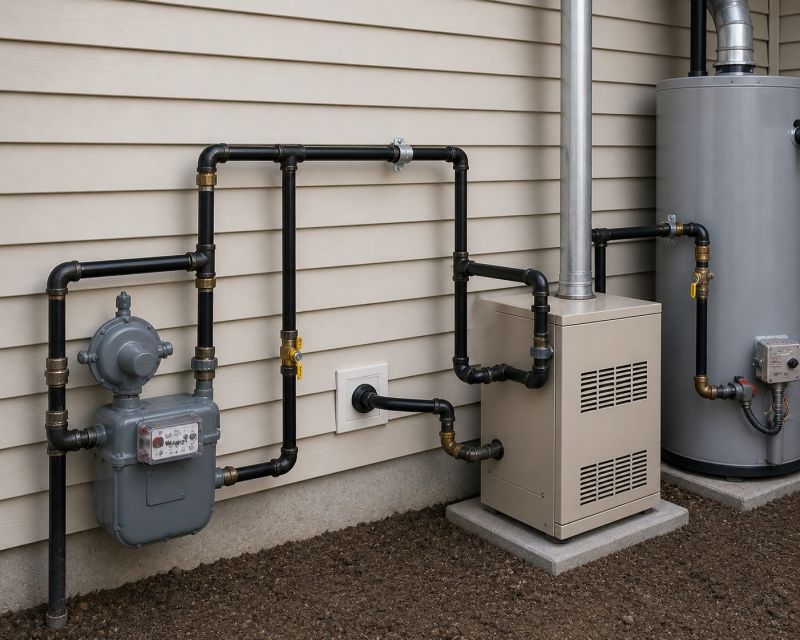
Residential Gas Piping Installation
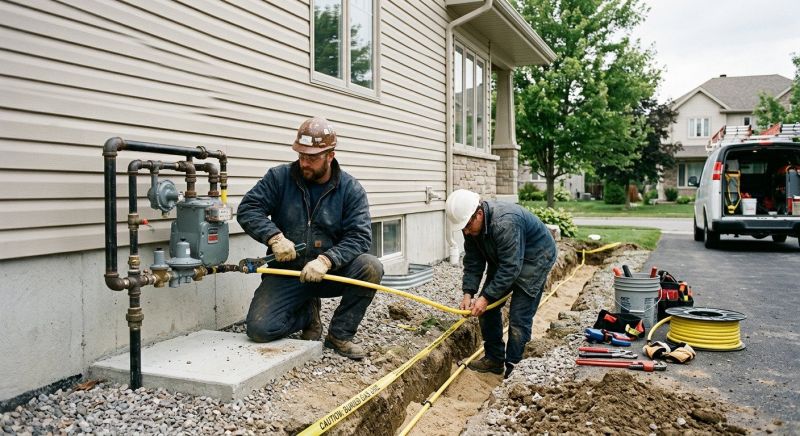
Proper installation ensures safe and reliable gas supply for home appliances in denver homes.
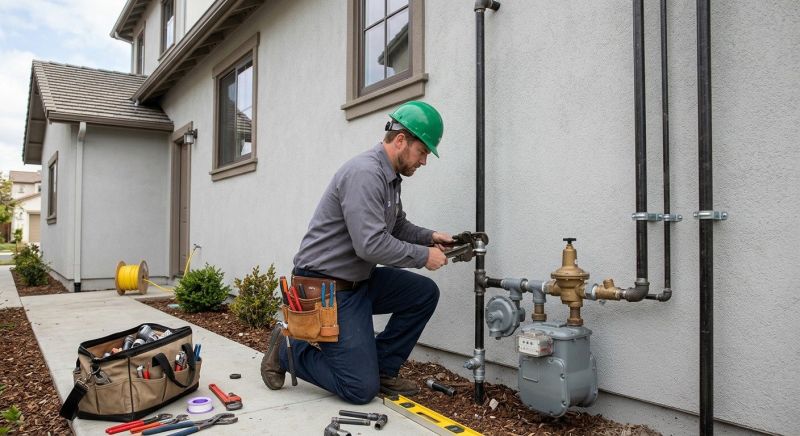
Gas Line Repair And Replacement
Addressing leaks or damage promptly helps maintain safety and efficiency in residential gas systems.
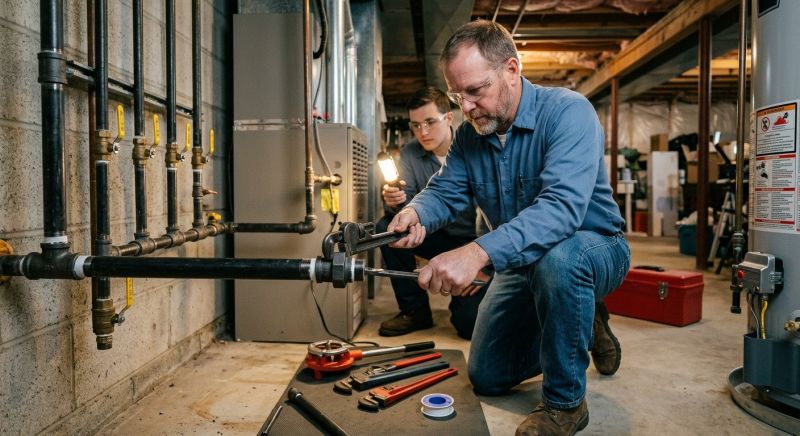
Code-Compliant Gas Piping Services
All work adheres to local safety standards and building codes for homes in the denver area.
Residential Gas Piping in Denver, CO

Residential gas piping services involve installing, repairing, or replacing the piping systems that deliver natural gas or propane to a home’s appliances and fixtures. These projects typically include connecting appliances such as furnaces, water heaters, stoves, and fireplaces, ensuring they receive a safe and reliable gas supply. Property owners often seek these services when installing new appliances, upgrading existing systems, or addressing issues like leaks, corrosion, or outdated piping to maintain safety and efficiency within the home.
Before requesting residential gas piping work, homeowners usually want to understand the scope of the project, including the materials used and the safety measures involved. It’s important to consider the location of existing gas lines, potential permits required, and any necessary inspections to comply with local codes. Property owners should also inquire about the process for shutting off the gas supply during installation or repairs and ensure that the work will be performed with attention to safety and quality standards.
Many property owners in Denver, CO look into Residential Gas Piping for repairs, replacements, upgrades, and appearance-related improvements.
Common Residential Gas Piping Jobs
Residential Gas Piping Installation - adds a safe and reliable supply of natural gas for appliances.
Gas Line Repair - restores proper function when leaks or damage occur in existing piping.
Gas Line Replacement - updates outdated or damaged piping systems to meet current safety standards.
Gas Line Inspection - identifies potential issues before they develop into costly repairs.
Gas Line Upgrades - enhances gas capacity for new appliances or additional fixtures.
Gas Line Extension - connects new appliances or outdoor features to the existing gas supply.
Residential Gas Piping Questions
What is residential gas piping? Residential gas piping involves installing and maintaining pipelines that supply natural gas to appliances like furnaces, water heaters, and stoves within a home.
When should gas piping be inspected or replaced? Gas piping should be inspected if there are signs of leaks, corrosion, or damaged pipes, and replaced if it no longer meets safety standards or shows significant wear.
Are new gas lines needed for home renovations? New gas lines are often required during kitchen remodels, additions, or upgrades to ensure proper and safe gas supply to new appliances.
What materials are commonly used for residential gas piping? Common materials include black iron, steel, and flexible stainless steel connectors, selected based on safety, durability, and code requirements.
Request Residential Gas Piping in Denver, CO
Use the quote form on this page to share the basics of your project and request more information for the type of work you need.